
01
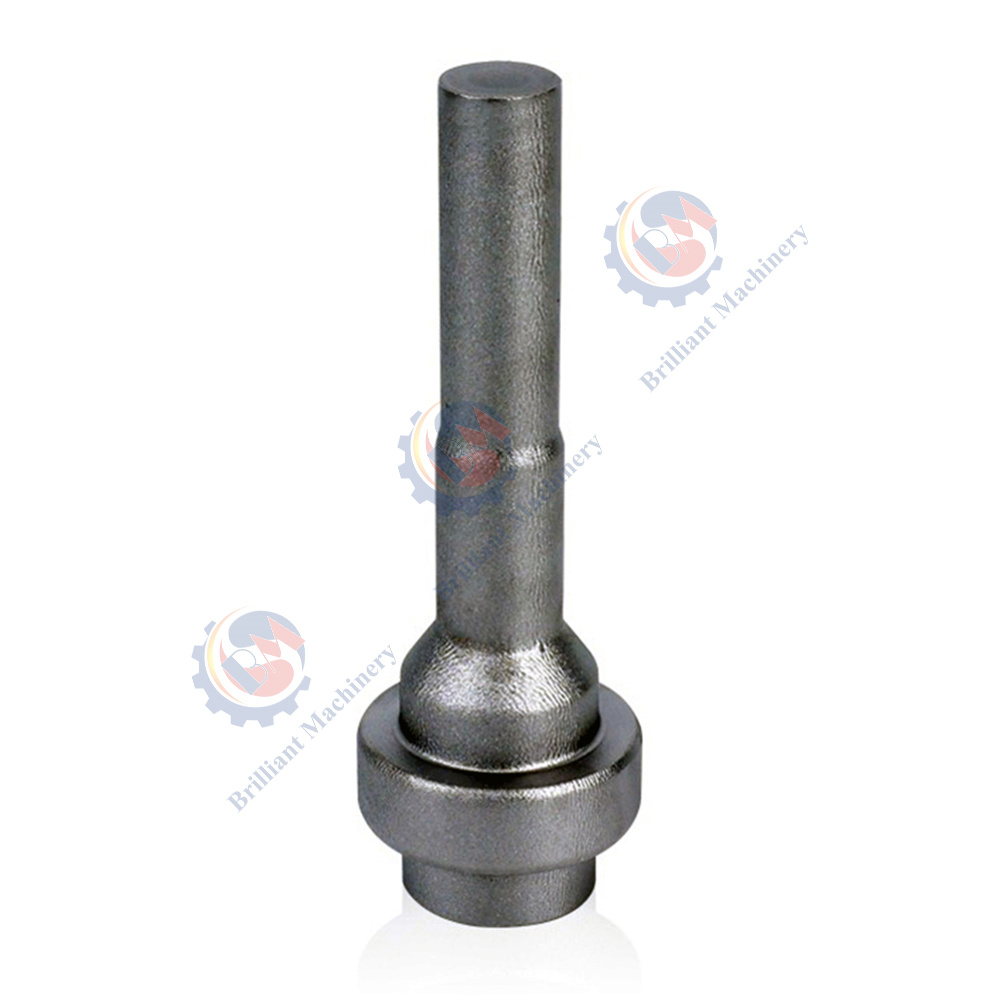
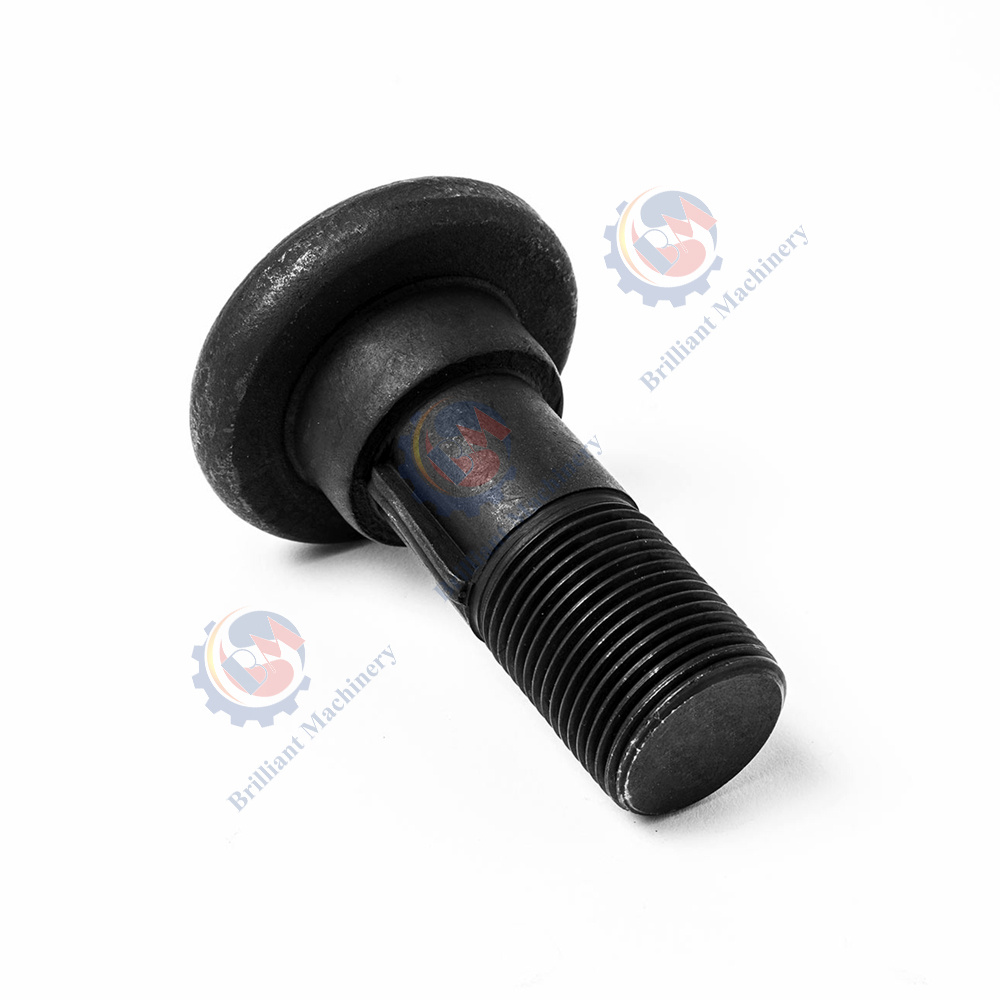
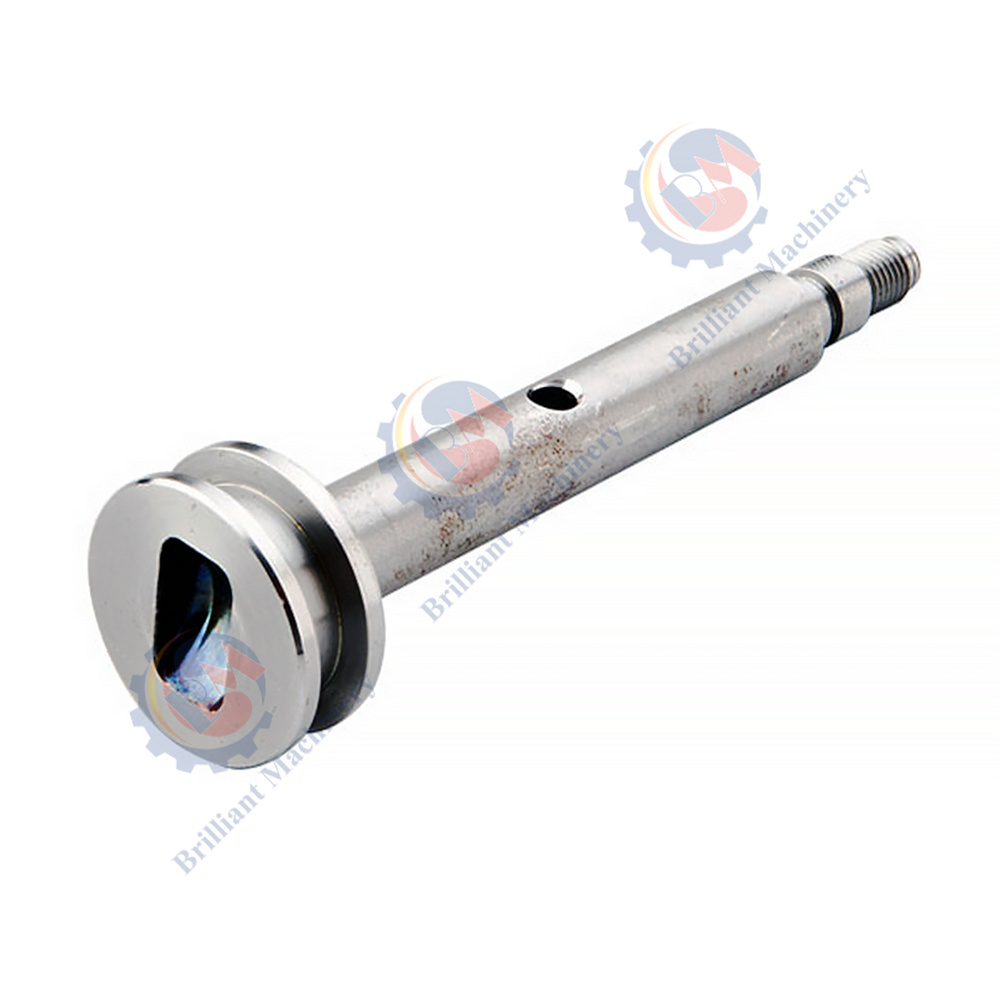
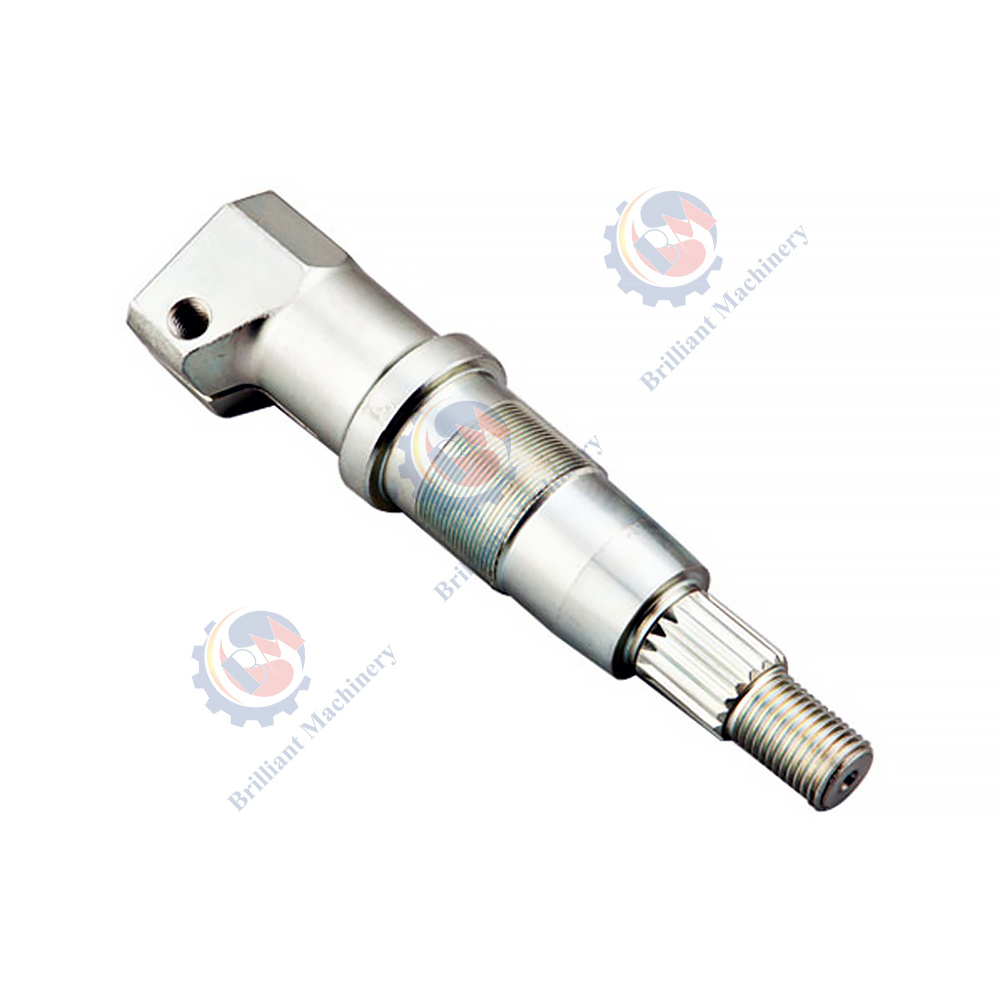
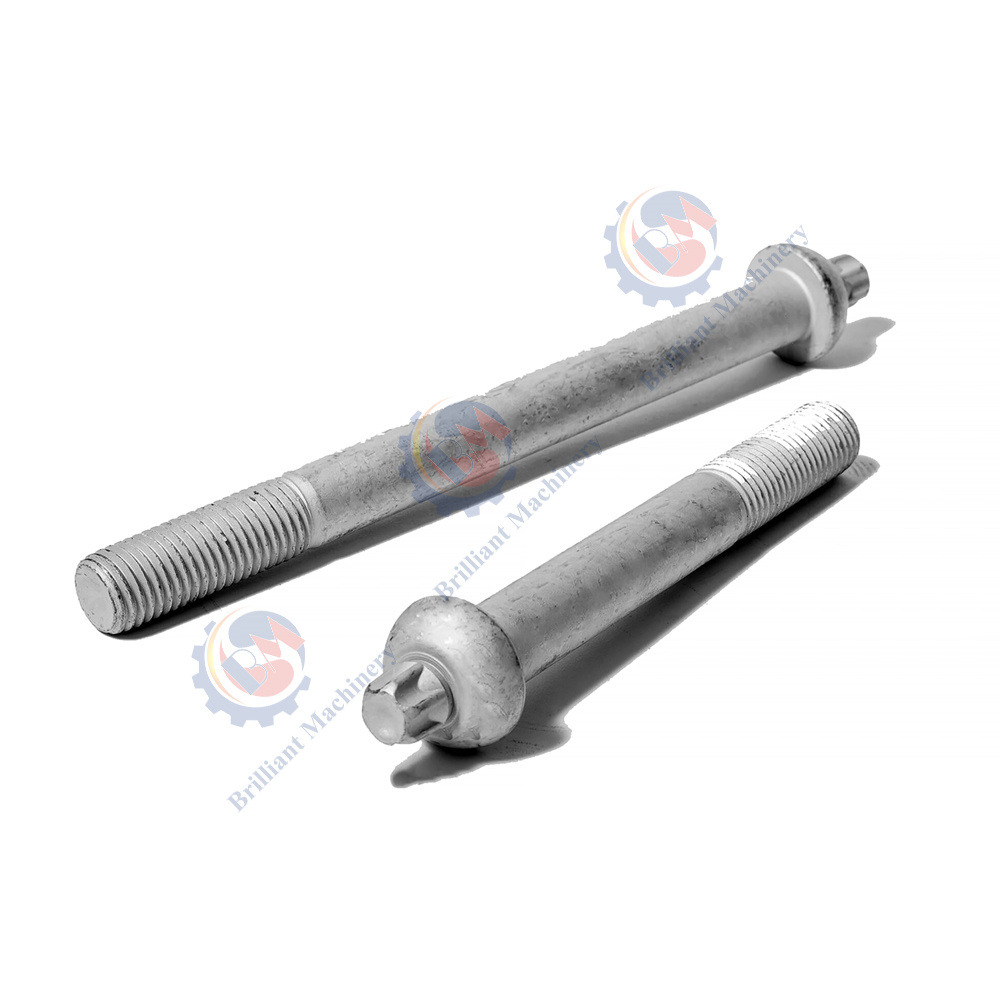
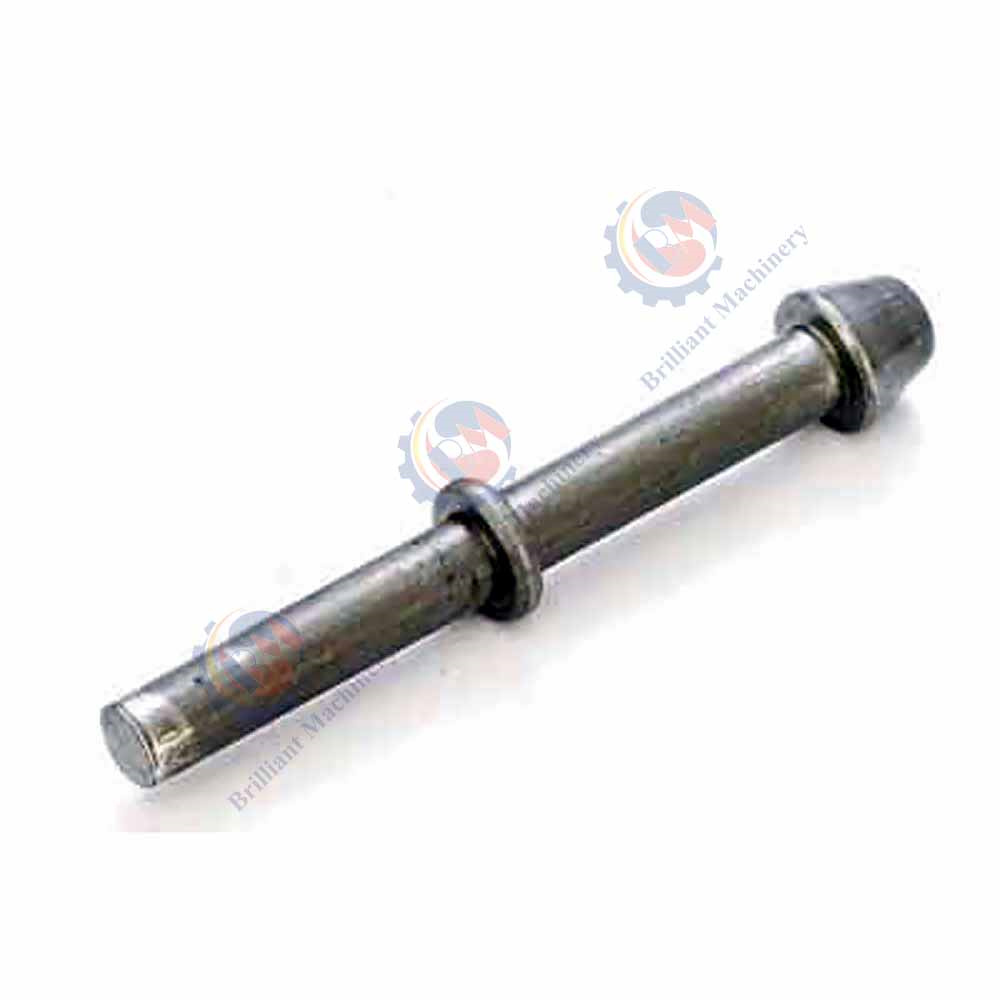
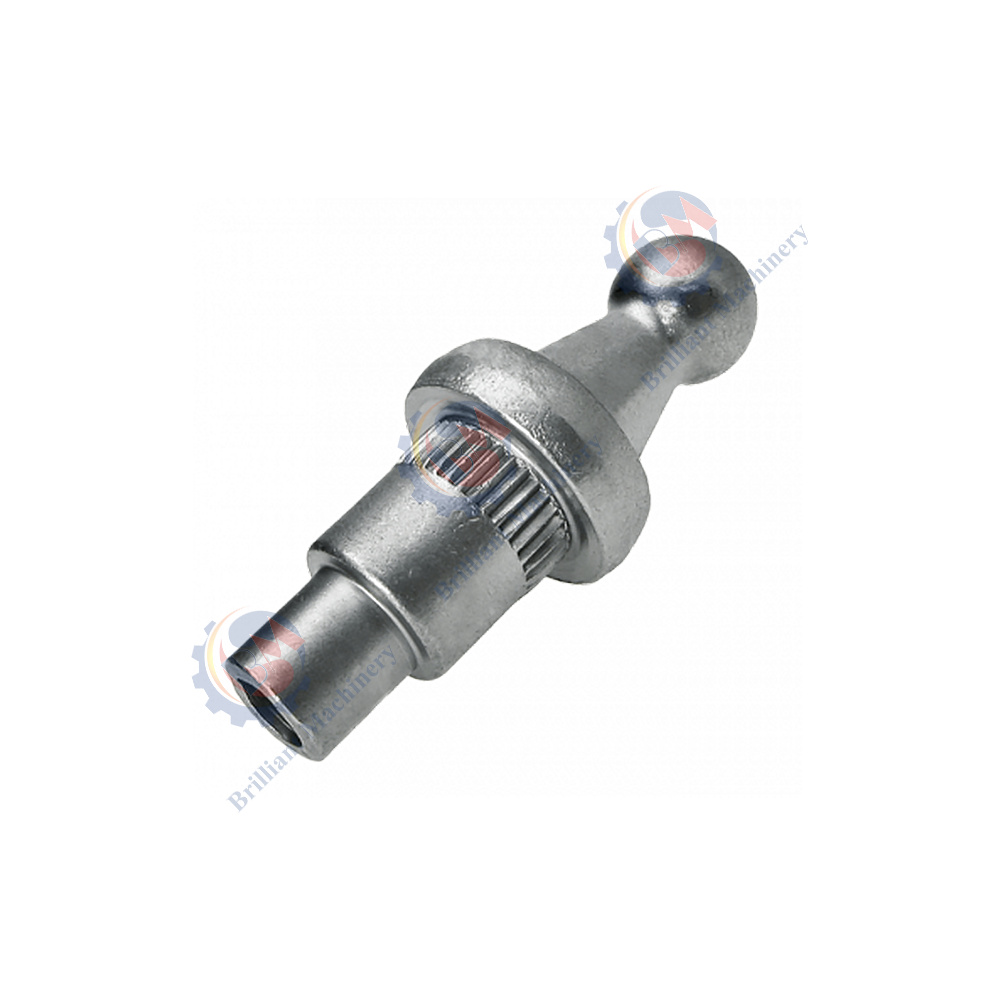
Cold-Forged Or Cold-Extruded Screw Blanks
Material
The choice of material is vital in determining the functionality and longevity of the screw blanks. Some of these materials usually comprise:
• Carbon Steel: Cost-effectiveness, along with its acceptable mechanical properties, makes carbon steel screw blanks provide consistent performances in a wide number of standard purposes.
• Alloy Steel: This is a material of preference owing to its toughening, durability, and its resistivity for wear and tear, making it perfect for stress environments.
• Stainless Steel: With its excellent anti-corrosiveness, stainless steel blanking screws can be ideal for an environment highly contaminated by chemicals, etc., and dampness.
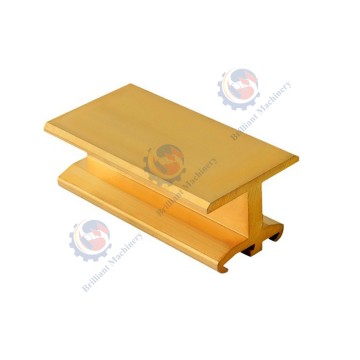
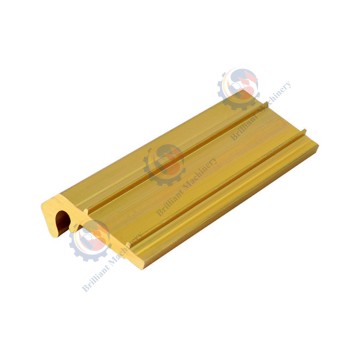
• Brass: Sometimes, due to its non-corrosiveness, brass blanking dies end up in electronic applications and in lower-strength levels.
Specifications
• Material Grades: steel alloys, carbon steel, stainless steel, others.
• Length: Customizable based on desired size of screw and end-purpose utilization
• Diameter: Can have different different diameters depending on a set of requirements for a proposed application
• Surface Finish: Smooth textured surface based on subsequent threading and subsequent process of coating
• Tensile Strength: Typically between 1200 MPa and 600 MPa based on material selection
• Hardness: Hardness is variable, ranging between 40 HRC and 55 HRC based on material and usage.
Production Processes
Cold-forging and cold-extrusion are the major methods of producing screw blanks, each of which gives a different set of advantages:
1. Cold Forging: The cold forging process is being carried out under room temperature and under a press, which makes it stronger and results in a better surface finish along with minimal material wastage.
2. Cold Extrusion: In cold extrusion, a material is pushed under a forming die for a blank of a screw. The cold extrusion gives a fine finishing along with excellent precision and structural stability of metal.
3. Machining: After forming, secondary machining operations such as threading, turning, or chamfering can provide an opportunity in case of ultimate size and requirements.
4. Heat Treatment: Materials may receive a heat treatment in a bid to enhance mechanical properties and hardness so that excessive stress and loads may be handled by the screw blanks.
Quality Test and Inspection
Each batch of blank screws is stringently tried in order to guarantee its quality:
• Dimensional Measurement: In a quest for ideal diameter, length, and thread requirements for the screw blanks.
• Hardness Testing: Ensures that the screw blanks achieve required levels of strength for application.
• Surface Inspection: Identifies any defects, such as cracks, on the surface which can affect the end-product's integrity.
• Tensile Testing: The tensile strength of screw blanks for resisting deformation is being tested.
Key Features
• High Strength: The cold-foraging and cold-extrusion procedure intensely refines mechanical properties of the screw blanks for greater durability and strength.
• Precision: Tight tolerance allows for exactly the appropriate size of the blanks for subsequent processing, minimizing errors in the end-product.
• Cost-Effective: These manufacturing methods help in minimizing material waste, hence making manufacturing cost-effective.
• Corrosion Resistance: The stainless steel material of these blanking dies is resistant to corrosion and is highly resistant.
• Surface Quality: The cold-forming process yields a highly polished, fine-quality surface, which is minimal in finishing, reducing time and cost.
Industry Applications
Cold-forged or cold-extruded screw blanks find applications in various industries:
• Automotive: In manufacturing engine, transmission, and body component screws, bolts, and fasteners.
• Aerospace: For manufacturing highly precise fasteners which have critical performance requirements.
• Electronics: For electronic component screws, cell phones, and other electronic assemblies.
• Construction: Widely used for all purposes of machinery, machines, and building fastenings.
Packaging and Storage
To protect it against deformation and pollution, plastic, bubble, or protective cardboard covers the screw blanks. The packaging is so designed so it won't contribute to rusting and deformation in motion and in storage. Storage in a cool, dry place is an assurable process of keeping it in shape and in its best quality.
Shipment
Screw blanks are shipped via credible logistical operators in a timely fashion. Shipping is conducted on a scale of urgency and size of order, which can be sea freight, air freight, or ground. Each of these is followed attentively so it can reach its destination in its best possible condition.